How to train for the Great Scottish Run Half Marathon
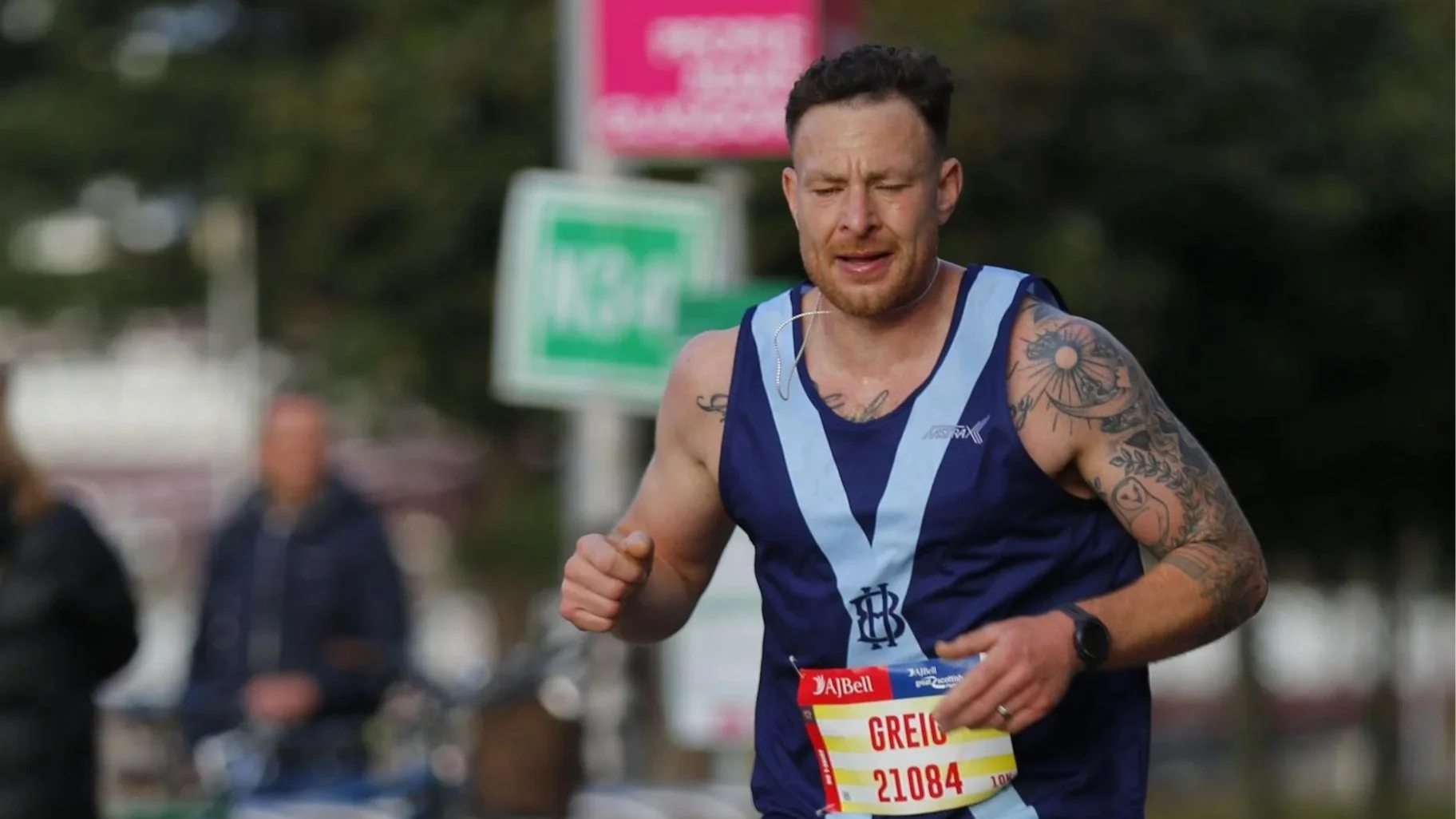
The Great Scottish Run 2026
The iconic Glasgow half marathon and 10k race is just around the corner on the 4th October 2026. Taking in some of Glasgow’s most famous landmarks like Pollok Park, the Squinty Bridge and that city centre hill, it’s a great one to challenge yourself to beat your best time or set a new personal record.
So, how to train for a half marathon?
There’s no real right or wrong way to train for a race like a half marathon or 10k, but one thing for certain is you’re going to want to do some running!
The key thing is the more running you can do, the better prepared you’ll be.
How well you’ll do is down to a few things…how much running you can fit in your schedule but most importantly how much your body can handle. This can take years to develop and unfortunately isn’t something that can be rushed. Like all good things in life, nothing good comes easy.
Overall volume of running is important but so is run frequency. Regular exposure to running is really important for improving your performance.
Think about your goals
With just over a month to go, it might be a question of reframing what you want out of the race.
If it’s getting round the course and enjoying yourself while staying injury-free, you’d be surprised at how capable you already are if you’ve been regularly running!
However, if you’re looking to maximise your genetic potential, this takes more preparation. If this is your goal, perhaps you want to think about an event in the not-so-distant future, like a winter half marathon to give you a few months of training under your shoes.
What does effective half marathon training look like?
To improve your running fitness and half marathon training, you should be factoring in regular runs in your week. This should include a longer run every 7-10 days with the primary objective of improving stamina. Between your long runs there should be some ‘quality’ sessions where you improve your ability to sustain higher efforts with a view to running faster. As well as those, recovery runs are important too - nice slow jogging to stimulate recovery from the harder runs and accumulate all the adaptations required for endurance.
To stay injury-free, you also need to factor strength and conditioning into your training. Keeping your muscles strong and resistant is key to improving those half marathon finishing times and setting you up for a personal best. Skip those sessions and you’re almost always going to set yourself back.
How a running coach can help your half marathon training
There’s a lot to think about when training for a half marathon, and that’s where a running coach can help. No matter what level you’re at, a coach will get the most out of your training with the appropriate programming for optimal adaptation. They’ll also help manage and navigate how to schedule those runs around your life and consider all the lifestyle factors that can impact performance in training and racing, like nutrition and recovery.
When should I start training for a half marathon?
When to start training for a half marathon like the Great Scottish Run really comes down to your goal. But of course, the more preparation, the better. Every run you’ll ever do is a building block in preparation towards your next race.
Ultimately, training should never be forced. Try to gently build habits and structure around your training to make it sustainable. If it’s overwhelming, seek help and do what you can to enjoy it!
My best advice is to keep running a positive space in your life…enjoy the process and the personal bests will look after themselves.
If you’re interested in finding out what your best looks like, get in touch with me for a chat.